· Kensington Dental Care
How to Care for Porcelain Veneers: Tips for Long-Lasting Results

Your new porcelain veneers transformed your smile, but now you’re wondering how to keep them looking good.
Proper veneer care involves gentle daily cleaning, avoiding hard foods and substances that causes, breaking harmful habits, and maintaining regular dental visits. With the right approach, and with advice from our team at Kensington Dental Care, you can maintain your veneers’ appearance and function for 10-15 years or more.
Daily Care Routine for Your Veneers
Your daily cleaning routine plays the biggest role in keeping your veneers in good condition. Fortunately, caring for veneers doesn’t require complicated steps or special equipment.
Brush your teeth twice daily using a soft-bristled toothbrush. Hard bristles can scratch the porcelain surface of your veneers over time, creating tiny grooves where stains can settle. Use gentle, circular motions rather than aggressive scrubbing.
Choose a non-abrasive fluoride toothpaste for your daily routine. Whitening toothpastes often contain harsh abrasives that can dull the surface of your veneers. Your veneers won’t change colour like natural teeth, so you don’t need these products anyway.
Floss carefully around the edge of each veneer every day. If you don’t, food particles and plaque can build up along the gum line where your veneer meets your natural tooth. The Canadian Dental Association recommends proper flossing techniques to prevent gum problems around dental work.
Foods & Drinks to Avoid with Porcelain Veneers
Hard Foods That Can Damage Veneers
Certain foods can crack or chip your porcelain veneers. Stay away from ice cubes, whole nuts, hard candies, and similar items that require serious bite force. If you love nuts, choose sliced or chopped versions instead of whole ones.
Staining Beverages & Foods
While porcelain veneers resist stains more than natural teeth, the area where they meet your gums can still discolour over time. Your own natural teeth behind the veneers can also darken, creating an uneven appearance.
Coffee, red wine, and dark sodas are the biggest culprits for staining. Common staining substances like berries, tomato-based sauces, and curry dishes can also cause discolouration around the margins of your veneers. You don’t need to eliminate these foods completely, but you should rinse your mouth with water afterward when possible.
Habits That Shorten Veneer Lifespan
Some everyday habits put constant stress on your veneers. These behaviours can cause premature wear, chips, or complete veneer failure.
Teeth grinding (bruxism) during sleep puts pressure on your veneers. If you wake up with jaw soreness or your partner mentions grinding sounds, talk to your dentist about a night guard. These simple devices can add years to your veneer lifespan.
Using your teeth as tools might seem convenient, but it’s one of the fastest ways to damage your veneers. Opening packages, tearing open tape, and biting thread can all result in pressure that cracks porcelain. Keep scissors and bottle openers handy instead.
Nail biting and chewing on pens put repeated stress on your front veneers. These habits can cause tiny chips that grow larger over time or create wear patterns that make your veneers look uneven.
Professional Maintenance & Check-ups
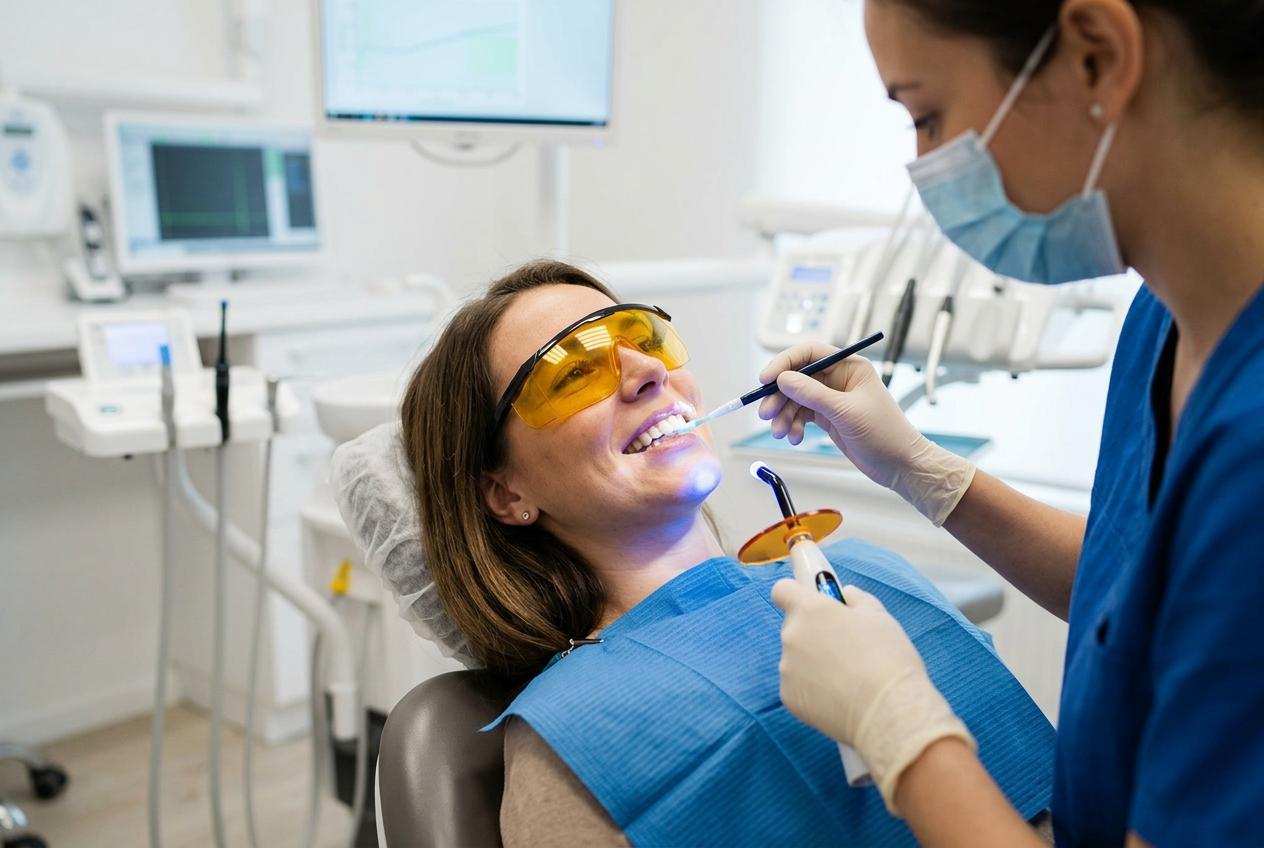
Regular Dental Visits
Professional cleanings help maintain the area where your veneers meet your gums. Even with good home care, plaque and tartar can build up in areas that are difficult to reach with your toothbrush.
Schedule cleanings every 6 months to keep your gums healthy around your veneers. Your dental hygienist can also polish your veneers to maintain their smooth surface and natural shine.
When to Contact Your Dentist
Small problems with veneers can become bigger issues if you wait too long to address them. Contact your dental office if you notice any chips, cracks, or loose edges on your veneers.
Gum irritation around the edges of your veneers might indicate plaque buildup or an ill-fitting margin. Early detection of dental problems can often resolve these issues before they affect the veneer itself.
What to Expect from Your Veneers Over Time
Even with proper care, your veneers will eventually need replacement. Most porcelain veneers last 10-15 years before showing significant wear or requiring updates.
Your gums naturally change shape as you age, which can expose the edges of older veneers. This creates a visible line where the veneer meets your natural tooth. Your dentist can evaluate whether adjustment or replacement makes the most sense.
When your veneers do reach the end of their lifespan, you’ll have several replacement options. Modern techniques continue to improve, often providing even more effective results than your original veneers.
Taking care of your porcelain veneers doesn’t require dramatic lifestyle changes, just consistent attention to good oral hygiene and smart choices about what you eat and drink. Our team at Kensington Dental Care can help you develop a maintenance routine that fits your lifestyle while protecting your investment in your smile.
Considering veneers? See our porcelain veneers page.