· Kensington Dental Care
Is a Waterpik Better Than Flossing? Pros and Cons Explained
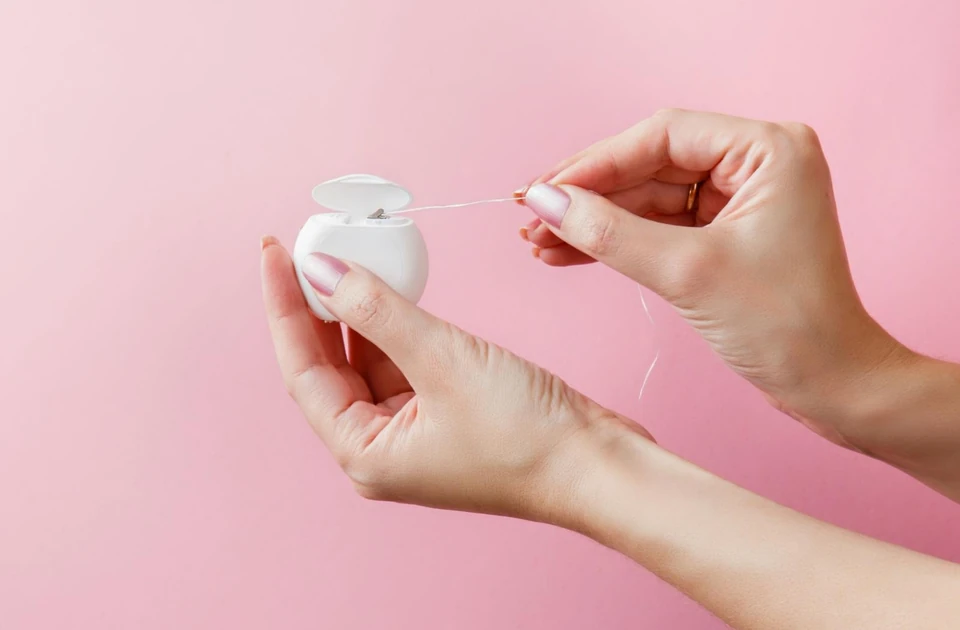
You probably stand in your bathroom each night wondering if that Waterpik sitting on your counter can replace the floss you keep meaning to use more often. Many people ask this question, especially when traditional flossing feels difficult or uncomfortable. Flossing frequency often becomes less of a concern when you find the right method that fits your routine.
Water flossers can improve your oral health routine, but they should not completely replace traditional floss for thorough plaque removal. Each method has distinct advantages that can help different aspects of your oral care.
What Water Flossers & Traditional Floss Do for Your Teeth
Waterpiks shoot a steady stream of pressurized water between your teeth and along your gum line. This pulsating water helps dislodge food particles and bacteria from areas your toothbrush cannot reach.
Traditional floss works differently by physically scraping plaque and debris from tooth surfaces. The string creates friction against each tooth as you move it up and down, mechanically removing the sticky bacterial film. Dental plaque forms from bacteria and food particles, creating a film that hardens into tartar without proper removal.
Both tools target the spaces between your teeth where problems often start. Your toothbrush bristles simply cannot fit into these tight areas, making additional cleaning methods necessary for complete oral care. Proper brushing and flossing techniques work together to maintain healthy teeth and gums.
Benefits & Drawbacks of Waterpik Devices
Advantages of Water Flossers
Water flossers make cleaning easier if you have braces, bridges, or use other dental appliances. The water stream flows around metal brackets and wires that can make string floss nearly impossible to use effectively.
People with sensitive or inflamed gums often find Waterpiks more comfortable than traditional floss. Adjusting the settings to a gentle water pressure can actually massage your gums while cleaning, rather than causing the discomfort that sometimes comes with string floss. Bleeding gums may respond better to the gentler water pressure than aggressive flossing.
The pressurized water reaches deeper into gum pockets than floss can go. This helps remove bacteria and debris from areas that might otherwise stay untouched during your daily routine.

Potential Downsides to Consider
Water alone cannot remove sticky plaque as effectively as the physical scraping action of string floss. While the water dislodges loose particles, it may leave behind the film that adheres more firmly to your teeth.
Waterpiks need permanent counter space and access to an electrical outlet, which can be challenging in smaller bathrooms. You also need to refill the water reservoir and clean the device regularly.
The initial cost of a water flosser ranges from $50 to $150, compared to a few dollars for traditional floss. Replacement tips and ongoing maintenance add to the long-term expense.
Traditional Floss Pros & Cons
Why String Floss Works Well
String floss physically scrapes plaque off your teeth through direct contact and friction. This mechanical action removes bacterial buildup more thoroughly than water pressure alone can accomplish.
You can carry floss anywhere without worrying about power sources or water supplies. A small container fits easily in your pocket, purse, or travel bag for cleaning after meals away from home.
Traditional floss costs only a few dollars and lasts for weeks of daily use. You can find it at any grocery store, pharmacy, or convenience store without special ordering or shopping around.
Common Challenges with Floss
Many people struggle with proper flossing technique, leading to incomplete cleaning or gum irritation. Getting the right angle and pressure takes practice that some people never quite master.
String floss can cause bleeding when your gums are inflamed or sensitive, which may discourage regular use. The discomfort can make people avoid flossing altogether rather than work through the initial adjustment period.
Reaching your back molars with floss requires good dexterity and mouth opening. People with limited hand mobility or smaller mouths may find it difficult to clean these important areas properly.
Can Waterpiks Replace Daily Floss Completely
Water flossers can improve your oral health significantly, but they work better as a complement to traditional floss rather than a complete replacement. Each method addresses different aspects of cleaning between your teeth.
String floss remains more effective at removing the sticky bacterial film that causes tooth decay and gum disease. The physical scraping action disrupts plaque formation in ways that water pressure cannot match. Cavity prevention requires thorough plaque removal that only mechanical cleaning can provide.
Using both methods together often produces better results than relying on either one alone. You might floss every other day while using your Waterpik daily, or alternate between the 2 based on your schedule and preferences.
Which Option Works Better for Your Oral Health?
Traditional floss continues to be the gold standard for removing plaque between teeth, according to most dental professionals. The mechanical cleaning action provides more thorough removal of bacterial buildup than water alone.
Water flossers can be particularly helpful if you have arthritis, limited hand mobility, or dental work that makes traditional flossing difficult. They also work well for people who simply will not floss regularly but can use a more convenient device. Professional dental cleanings become even more important when home care is not as thorough as it should be.
Take Care of Your Oral Health
Our team at Kensington Dental Care can evaluate your specific oral health needs and recommend the most effective cleaning routine for your situation. Dr. Geoff Van Blaricom can show you proper techniques for either method and help you develop a sustainable daily routine that maintains your natural smile. Book your next appointment today!