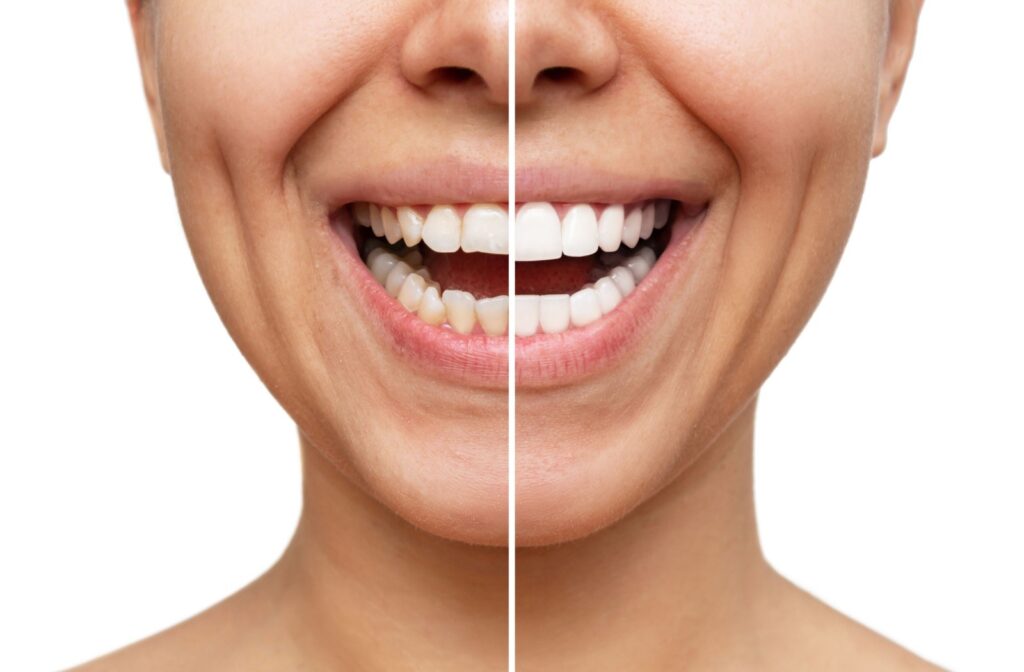
You may have seen photos of bright, uniform smiles and wondered how to get one for yourself. Dental veneers are a popular cosmetic dentistry option designed to enhance the appearance of your smile through porcelain restoration. If you are considering them, understanding what they can do and how they fit your goals can help you make the right choice.
Rather than damaging your teeth, veneers are carefully crafted to improve shape, colour, and symmetry while maintaining the integrity of your natural smile. When applied by a skilled dental professional to a healthy mouth, veneers are a safe procedure designed to improve your smile. The key is a thorough consultation and a precise application process.
What the Veneer Procedure Involves
Getting veneers is a multi-step process designed to create a natural-looking result. It starts with a detailed conversation at our dental clinic to see if they are the right option for you. This approach allows each step to be customized to your specific needs.
The First Step—Your Consultation
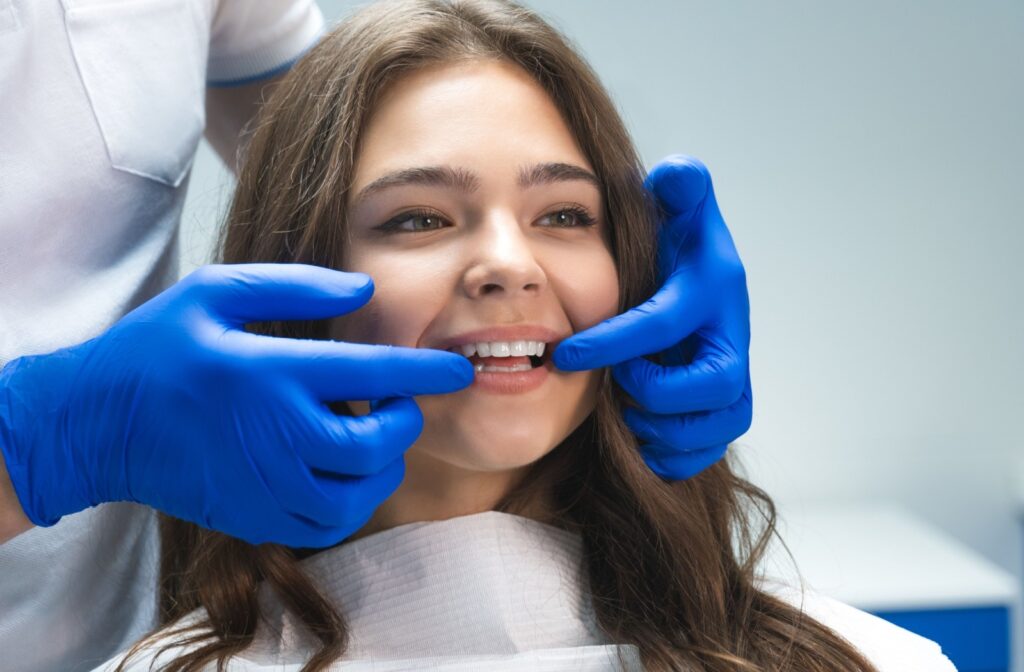
During your first visit, we discuss the smile you want to achieve. We also review your overall oral health to confirm that veneers are a suitable option for you. This is our opportunity to talk about the ideal shape and colour for your smile.
Prepare Your Teeth
To make sure your veneers fit perfectly, a very thin layer of enamel, about the thickness of a contact lens, is gently removed from the front of your teeth. We then take an impression that is used to create your veneers.
Place Your Custom Veneers
Once your veneers are ready, you will return for your final appointment. We carefully check the fit and colour before permanently bonding the thin shells to your teeth. After a final polish, your enhanced smile is ready to shine.
Common Concerns
Many people have questions about the safety and long-term effects of veneers. It is essential to distinguish between myths and facts when considering this solution. Understanding the reality of veneers can help you make a confident decision.
Do veneers ruin your natural teeth?
When performed correctly, veneers are designed to enhance—not harm—your natural teeth. The veneer itself acts as a protective shield for the tooth’s front surface. The procedure’s success depends on the precision of an experienced dental professional.
Can your teeth stay healthy under veneers?
Yes, your natural teeth can remain healthy for years to come. Veneers bond tightly, which helps to prevent bacteria from getting underneath. Consistent oral hygiene—brushing and flossing regularly—is just as important as it is with your natural teeth.
What can you expect after 10 years?
With proper care, porcelain veneers can last for 10–15 years, and in some cases, even longer. Over time, they may need to be replaced due to normal wear and tear. Regular check-ups with your dentist help monitor the condition of your veneers and maintain your smile.
Things to Consider About Dental Veneers
While veneers can offer a remarkable smile transformation, there is a commitment involved. Here are a few factors to consider.
- The process is permanent: Because a layer of enamel is removed, the process is not reversible. Your teeth will always need to be covered by veneers or another type of restoration.
- Potential tooth sensitivity: Some people experience temporary sensitivity to hot or cold temperatures after the procedure. This sensation usually subsides within a few days.
- Cost and replacement: Veneers are a cosmetic treatment and represent an investment in your smile. They will also need to be replaced eventually, which is an additional future cost to plan for.
When Veneers Are Not Right for You
Veneers can be a fantastic solution for many cosmetic concerns, but they are not suitable for every situation. Certain oral health conditions require different types of dental treatments. Your health is always the first priority.
Veneers for Missing Teeth
Veneers bond to existing tooth structure and are not designed to replace missing teeth. In these cases, restorative options such as dental implants or bridges may be recommended to restore both function and appearance.
Significant Oral Health Issues
If you have active gum disease, extensive tooth decay, or extensive fillings, veneers may not be the right choice. These issues must be addressed first to create a healthy foundation before beginning cosmetic work.
Teeth Grinding
Habitual teeth grinding or clenching, known as bruxism, can put too much pressure on porcelain veneers, causing them to chip or break over time. A custom night guard might be an option to help protect your investment.
Small Chips or Gaps
In cases of minor concerns, other options are available. Instead of veneers, dental bonding uses a tooth-coloured resin to fix chips, gaps, or discolouration. It is typically less expensive than veneers and often completed in a single visit. However, bonding material is not as durable or stain-resistant as porcelain veneers.
Professional Teeth Whitening
If your primary concern is tooth colour, professional teeth whitening can be an option. It is less invasive than veneers and can brighten your smile.
When to Schedule a Professional Consultation
Choosing the right cosmetic treatment is a personal decision that depends on your unique goals and dental health. At Kensington Dental Care, our priority is to provide you with clear, accurate information and professional guidance. Contact our team to schedule a consultation and explore the best options for your smile.